Metal Railings Guide: Strength, Style, and Safety for Modern Spaces

Metal Railings

Walk up to a building entrance, climb a staircase, or stand on a balcony, and there is a good chance you are holding onto a metal railing. These structures often go unnoticed, yet they play a crucial role in safety, stability, and architectural design. A well designed metal railing does more than provide support.

It enhances the appearance of a property while ensuring that people can move through spaces safely and confidently. Metal railings combine durability with visual appeal, making them one of the most popular choices for residential, commercial, and industrial environments. Visit https://www.83metalcraftboise.com/ to learn more about metal railings.

What Are Metal Railings and Why They Are Important

Metal railings are protective barriers or support structures made from metal materials such as steel, aluminum, or iron. They are commonly installed along staircases, balconies, walkways, decks, and ramps to prevent falls and provide stability.

The primary function of a metal railing is safety. Railings offer a reliable handhold for individuals using stairs or elevated platforms. They also create boundaries that prevent accidental falls from heights.

Beyond safety, metal railings contribute significantly to the design of a structure. The style, finish, and shape of the railing can complement the architectural elements of a building. Whether modern or traditional, railings can add character and visual balance to a space.

Another reason metal railings are widely used is their durability. Metal materials are strong and capable of withstanding heavy use and environmental exposure. This makes them suitable for both indoor and outdoor applications.

Because of their strength and adaptability, metal railings have become an essential feature in many types of construction projects.

Types of Metals Used in Railings

Several types of metals are commonly used in railing systems, each offering unique advantages depending on the environment and design requirements.

Steel is one of the most widely used materials for railings. It is known for its strength and ability to support heavy loads. Steel railings are often used in commercial buildings, staircases, and outdoor structures where durability is essential.

Aluminum is another popular material due to its lightweight nature and resistance to corrosion. Aluminum railings are often used for balconies, decks, and outdoor spaces where exposure to moisture and weather conditions is common.

Wrought iron railings are valued for their decorative qualities. This material allows for intricate patterns and artistic designs that enhance the visual appeal of a structure. Wrought iron railings are often used in traditional or decorative architectural settings.

Stainless steel is known for its sleek appearance and resistance to rust. It is commonly used in modern designs where clean lines and minimalistic aesthetics are preferred.

Selecting the appropriate metal ensures that the railing system meets both functional and aesthetic requirements.

Benefits of Installing Metal Railings

Metal railings offer several advantages that make them a preferred option for many property owners and builders. One of the most significant benefits is strength. Metal railings provide sturdy support and can withstand significant pressure without bending or breaking.

Durability is another key benefit. Metal railings are capable of lasting for many years with proper care. They resist damage from everyday wear and can handle changing weather conditions when installed outdoors.

Low maintenance is also an important advantage. Compared to materials such as wood, metal railings typically require less frequent repairs and maintenance. Protective coatings and finishes help prevent rust and corrosion.

Versatility in design is another appealing feature. Metal railings can be customized in various shapes, patterns, and finishes. This flexibility allows designers to create railings that match the architectural style of a property.

Additionally, metal railings contribute to safety by providing reliable support for individuals navigating stairs or elevated platforms. Their sturdy construction ensures long lasting performance.

Design Options for Metal Railings

One of the reasons metal railings remain popular is the wide range of design possibilities they offer. Designers and property owners can choose from various styles that complement both modern and traditional architecture.

Simple horizontal or vertical bars are often used in contemporary designs. These railings provide a clean and minimalistic appearance that works well in modern homes and commercial buildings.

Decorative metal railings feature patterns and artistic details that enhance visual interest. Curved shapes, scrollwork, and geometric patterns can transform a railing into a design feature rather than just a functional structure.

Glass panels are sometimes combined with metal frames to create a sleek and open appearance. This design allows for unobstructed views while still maintaining safety.

Finishes also play an important role in the appearance of metal railings. Painted finishes, powder coatings, and polished metal surfaces allow homeowners and designers to achieve the desired aesthetic.

By selecting the right design elements, metal railings can become a prominent architectural feature.

Where Metal Railings Are Commonly Used

Metal railings are used in many different environments because of their versatility and durability. Staircases are one of the most common locations for railing installations.

Indoor stair railings provide support for individuals moving between floors. They also contribute to the interior design of the space by adding structure and style.

Balconies and terraces also rely on metal railings for safety. These railings create protective barriers that prevent falls while maintaining visibility and openness.

Decks and outdoor patios frequently incorporate metal railings to provide stability and security. The strength of metal materials makes them well suited for outdoor environments where exposure to weather conditions is unavoidable.

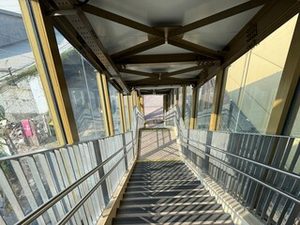
Public spaces such as parks, walkways, and commercial buildings also utilize metal railings. In these settings, railings must withstand heavy use and provide dependable safety for large numbers of people.

The adaptability of metal railings allows them to serve a wide range of structural and decorative purposes.

Maintenance and Longevity of Metal Railings

Although metal railings are known for their durability, proper maintenance helps ensure they remain in excellent condition for many years. Regular cleaning is one of the simplest ways to preserve their appearance.

Dust, dirt, and environmental debris can accumulate on railing surfaces over time. Washing the railings with mild cleaning solutions helps maintain their finish and prevents buildup.

Inspecting railings periodically allows property owners to identify minor issues such as loose fittings or small scratches. Addressing these issues early prevents larger problems from developing.

Protective coatings play an important role in extending the lifespan of metal railings. Powder coatings and specialized paints create barriers that protect the metal from moisture and corrosion.

Outdoor railings may require occasional touch up work if the finish becomes damaged. Maintaining the protective layer ensures that the underlying metal remains protected from environmental exposure.

With proper care, metal railings can maintain their strength and appearance for decades.

Why Metal Railings Are a Long Term Investment

Installing metal railings is often considered a long term investment in both safety and design. The strength and resilience of metal materials provide reliable protection for elevated areas and staircases.

Unlike some materials that deteriorate quickly, metal railings maintain their structural integrity over time. This durability reduces the need for frequent replacements or repairs.

Metal railings also contribute to the overall value of a property. Well designed railings enhance the appearance of a building and demonstrate attention to safety and detail.

Because of their adaptability, metal railings can also be integrated into various architectural styles. Whether used in modern homes, historic properties, or commercial buildings, they remain a timeless and practical solution.

Investing in quality metal railings ensures that both safety and visual appeal are preserved for years to come.

Conclusion: The Lasting Value of Metal Railings

Metal railings play an essential role in both safety and architectural design. They provide reliable support for staircases, balconies, and walkways while enhancing the appearance of the spaces they occupy.

Through the use of durable materials such as steel, aluminum, and iron, metal railings offer long lasting strength and resilience. Their versatility allows them to complement a wide range of building styles and design preferences.

With thoughtful design and proper maintenance, metal railings remain a valuable feature that protects individuals and enhances property aesthetics. Their combination of functionality and style ensures they will continue to be an important part of modern construction and design.
Posted in Metal Railings | Tagged , , , , , , , , | Comments Off on Metal Railings Guide: Strength, Style, and Safety for Modern Spaces

Why Refinishing Cabinets is the Most Cost-Effective Option

Cabinet refinishing

Cabinet refinishing is a great option for property owners that want to refresh their cabinets but aren’t interested in the costs, timeframes, and disruption associated with replacing them.

Cabinet Refinishing San Jose CA involves cleaning, sanding, and staining your existing wood cabinets. Staining highlights the natural beauty of wood and can create a wide range of colors.

High-Quality Materials

Refinishing or painting cabinets is an impactful way to upgrade your kitchen without the expense and disruption of a complete remodel. Choosing the right cabinet paint and materials will ensure that your new look holds up to daily use for years to come. There are a variety of options for both cabinet refacing and painting, including solid wood veneers, high-quality laminates, and rigid thermofoil (RTF). It is important to find a contractor that offers a selection of materials to accommodate your budget and design style preferences.

Some at-home cabinet refinishing kits are designed to make the project more affordable, but these products use low-quality finishes that quickly fade and scratch. If you choose this option, your cabinet doors will likely require repainting or replacing within a few years.

In contrast, our professionals apply durable finishes that are formulated to resist moisture, heat, and stains. We also only sand the areas that need it, not the entire surface, ensuring that your cabinets are as smooth and clean as possible before applying paint. This is critical, as a poorly sanded surface will cause the new coat of paint to chip and peel prematurely.

Refacing cabinets are a popular choice for homeowners that want to change the style of their kitchen without completely renovating. Cabinet refacing involves keeping the existing cabinet boxes and replacing the door and drawer fronts, as well as updating any hardware or other decorative elements. While refacing is more expensive than refinishing, it is still less costly than a full replacement.

It is important to know that while refacing may be an excellent option for your kitchen, it cannot address problems like warped cabinet doors or outdated styles. In addition, refacing is not as durable as a full replacement, and the materials used for refacing can be prone to rot or warping over time.

Solid wood veneers are a great option for those who want a traditional, high-end appearance. The durable material can stand up to years of everyday use and is available in a wide range of colors, textures, and grain patterns. Other high-quality options include PVC vinyl, medium-density fiberboard, and rigid thermofoil. Each of these cabinet refacing materials offers unique advantages and features, so be sure to assess your needs and budget before making a decision.

Reduced Labor Costs

Cabinets represent a significant investment and impact your home’s overall look and feel. Whether you choose to refinish cabinets or replace them, it’s crucial to evaluate costs and compare prices. Choosing the right option can help you stay within your budget and achieve your ideal design goals.

Cabinet refinishing is significantly less expensive than replacing cabinets. This is because refacing retains the existing cabinet boxes and simply updates the doors, drawer fronts, and hardware. This minimizes the labor costs of demolishing and installing new cabinets, which can add up quickly.

Refinishing also opens up a variety of customization options. You can choose a new color, finish, or texture for your cabinets, giving you the flexibility to create a unique look that matches your personal style. Additionally, you can incorporate features like pull out shelving or custom organizers. This gives you more functionality and saves space compared to other alternatives, which typically require an extensive remodel.

If you’re looking to cut the cost of your refinishing project, consider purchasing a stock cabinet set from a home improvement store. These pre-made units are available at a lower price point and provide you with the same functionality as higher-end cabinets. Additionally, you can shop for discounts or clearance sales at furniture stores and find high-quality cabinets for a fraction of their original price.

Another way to reduce the refinishing cost is to invest in quality materials. High-quality finishes will last longer than cheaper options and may even outlast the cabinets themselves. This makes them a smart investment for your kitchen and can help you avoid costly repairs in the future.

Replacing cabinets involves a labor-intensive process that can take days or weeks to complete. This can disrupt your daily life and leave you without a functioning kitchen. Fortunately, refinishing is less invasive and can be completed in just a few days, making it a more convenient choice. If you’re concerned about the environment, refinishing is a better option as well. By reusing the existing materials in your cabinets, you’re preventing perfectly usable materials from ending up in landfills. This helps conserve resources and reduce the demand for raw materials, which is an excellent way to support eco-friendly home improvements.

Minimal Disruption

Cabinets are one of the most prominent features in a kitchen and can have a significant impact on both functionality and aesthetics. However, transforming your cabinets isn’t always an easy task. You must consider the condition of your cabinets, desired outcome, and budget to determine whether refinishing or refacing is the best option for you.

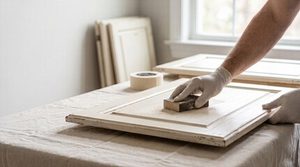
Refinishing is a great option for homeowners looking to update their cabinets without the expense and hassle of refacing or replacing them. Unlike replacement, refinishing keeps all of the existing cabinet components in place and simply changes their color or finish. The process begins with preparing the cabinets by cleaning and sanding them. This removes any grease or grime and ensures that the new stain or paint adheres properly.

Then, the old finish is stripped either chemically or with sanding, and a fresh coat of stain or paint is applied. This revitalizes the appearance and bolsters protection, helping your cabinets stay beautiful for years to come.

Cabinets often endure a lot of wear and tear, leading to scratches, dents, or chipped finishes. Refinishing addresses these issues by sanding and filling imperfections, providing a smooth, even surface. Restoration also includes tightening or replacing loose hardware and reinforcing sagging shelves, ensuring safety and ease of use.

Finally, cabinet restoration can include a variety of details like crown molding or decorative glass panel doors to add character and style to the cabinets. This is an excellent opportunity to personalize your space with a design that’s unique and fits your vision.

Refinishing your cabinets is a much more eco-friendly option than replacing them. This is because refinishing saves the existing materials from being thrown away and uses fewer natural resources than replacing them. However, refinishing does not address structural problems, including warped doors or outdated styles, which may require a full refacing instead. Refinishing can also lead to recurring maintenance issues like peeling or bubbling, which can necessitate future repairs. Investing in refacing can help you avoid these problems and extend the life of your cabinets for an optimal long-term investment.

Long-Lasting Results

Homeowners often invest in a variety of projects to enhance the aesthetics and improve the functionality of their indoor spaces. One of the most common is cabinet refinishing or refacing. The process involves reworking the doors and drawer fronts to change the color or style of the cabinets. Refinishing is a great option if your existing cabinets are structurally sound and you are looking for a quick way to refresh the look.

While many homeowners opt to tackle this project themselves, hiring a professional is a smart choice. Professionals can offer advice and recommendations on the best products that will create a long-lasting finish. They can also help you select a color that will match the rest of your kitchen’s décor and provide a cohesive look. They will also apply multiple coats to achieve the perfect luster and protection. This will ensure your new look lasts as long as possible and stands up to everyday use.

Another benefit of refinishing is that it is environmentally friendly. Reusing the existing materials rather than installing new ones reduces the amount of waste sent to landfills. In addition, the painting and staining process consumes fewer resources than replacing the cabinets.

When refinishing your cabinets, it is important to prepare the surfaces properly before applying the first coat. This includes cleaning and sanding the cabinets to remove any imperfections. It’s also a good idea to sand between each application of paint or stain. This will ensure that the final surface is smooth and has a uniform sheen. The final step is to apply a protective layer that will help your cabinets stand up to daily wear and tear. There are a number of options available for this, including Polyurethane and High-Strength Acrylic Coatings. These are durable finishes that can help protect your cabinets from water damage and other elements that can damage the wood.

While refinishing offers significant cost savings, it’s important to consider your overall goals and budget before choosing this option. Refinishing can improve the appearance of your cabinets, but it doesn’t provide the transformative effect that refacing does. If you want to boost your home’s resale value, choose refacing. This option will give you a fresh, modern look that will appeal to potential buyers.

Posted in Cabinet refinishing | Tagged , , , , , | Comments Off on Why Refinishing Cabinets is the Most Cost-Effective Option

Roofing Services Guide: Protecting Your Home with Professional Care and Expertise

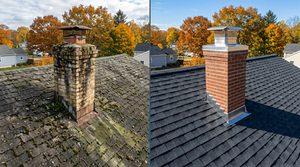
roofers

Look up at your roof for a moment and consider everything it withstands each day. Blazing sun, heavy rain, strong winds, falling debris, and shifting temperatures all test its strength year after year. While walls and windows are easily noticed and maintained, the roof often goes unnoticed until a leak appears or shingles begin to fall.

Roofing services play a crucial role in protecting your home from the elements and preserving its long term value. Investing in professional roofing care ensures that your property remains safe, secure, and structurally sound. Visit https://www.cedarparkroofingpro.com for more details.

The Importance of Professional Roofing Services

A roof is more than just an exterior covering. It is a complex system designed to shield the entire structure from moisture, temperature changes, and environmental stress. Professional roofing services address both visible and hidden issues to maintain this protective barrier.

When roofing problems are ignored, small issues can escalate into significant damage. A minor crack in flashing or a few missing shingles may allow water to seep into underlying materials. Over time, moisture intrusion can lead to mold growth, insulation damage, and structural weakening.

Professional roofing services provide thorough inspections and accurate assessments. Skilled technicians identify early warning signs such as soft spots, deteriorated materials, or compromised seals. Addressing these concerns promptly prevents costly repairs and extends the life of the roof.

Beyond repairs, roofing services also contribute to energy efficiency. A well maintained roof improves insulation and ventilation, helping regulate indoor temperatures. This reduces strain on heating and cooling systems and lowers energy costs.

Roof Inspections and Preventative Maintenance

Routine inspections are a fundamental part of comprehensive roofing services. Regular evaluations help detect issues before they become severe. Homeowners often underestimate the impact of gradual wear, but early intervention makes a significant difference.

During an inspection, professionals examine shingles, flashing, gutters, vents, and underlying structures. They check for signs of water damage, corrosion, and loose materials. Identifying potential weaknesses early reduces the risk of sudden leaks during storms.

Preventative maintenance includes tasks such as sealing small cracks, reinforcing flashing, and clearing debris. Leaves and branches that accumulate on the roof can trap moisture and accelerate deterioration. Keeping the roof clean and properly drained preserves its integrity.

Gutter maintenance is closely connected to roofing health. Clogged gutters prevent proper water flow, causing water to back up onto the roof surface. Ensuring that gutters remain clear supports effective drainage and prevents water related damage.

Scheduling routine maintenance creates a proactive approach to roof care. Rather than reacting to emergencies, homeowners can maintain control and avoid unexpected expenses.

Roof Repair Services for Lasting Protection

Even with regular maintenance, roofs may eventually require repairs. Weather events, aging materials, and accidental damage can compromise structural integrity. Professional roof repair services restore strength and functionality.

Common repair issues include missing shingles, cracked flashing, and leaks around vents or chimneys. Promptly replacing damaged components prevents water from penetrating deeper layers.

Leaks are among the most urgent roofing concerns. Water intrusion can spread quickly, damaging ceilings, walls, and insulation. Professional repair ensures that the source of the leak is accurately identified and resolved.

Storm damage often requires immediate attention. High winds may lift shingles, while hail can create dents and fractures. Timely repairs reduce the risk of further deterioration and maintain the roof’s protective capabilities.

Quality roof repair services focus on both aesthetics and durability. Matching materials and ensuring proper installation techniques preserve the appearance of the home while strengthening its defense against future weather conditions.

Roof Replacement and Installation

In some cases, repairs may no longer be sufficient. When a roof reaches the end of its lifespan or experiences extensive damage, replacement becomes necessary. Professional roofing services guide homeowners through this process with expertise and care.

Roof replacement begins with a comprehensive assessment. Technicians evaluate structural components to determine whether underlying support requires reinforcement. Removing old materials prepares the surface for a fresh installation.

Choosing appropriate roofing materials is an important decision. Options vary in durability, appearance, and maintenance requirements. Professional guidance ensures that selections align with climate conditions and long term goals.

Proper installation is critical for performance. Even high quality materials can fail if installed incorrectly. Skilled roofing professionals follow established techniques to secure shingles, seal seams, and ensure effective ventilation.

A new roof not only enhances protection but also improves curb appeal and property value. Investing in professional installation provides confidence that the roof will perform reliably for years to come.

Roofing Services and Energy Efficiency

Modern roofing services extend beyond protection to include energy efficiency improvements. Proper insulation and ventilation play a vital role in maintaining comfortable indoor temperatures.

Poor ventilation can cause heat buildup in attics during warmer months. This increases cooling costs and accelerates material deterioration. Roofing professionals assess ventilation systems and recommend upgrades when necessary.

Insulation improvements prevent heat loss during colder months. By maintaining consistent indoor temperatures, homeowners reduce reliance on heating systems and lower utility expenses.

Reflective roofing materials can also contribute to energy savings. These materials reduce heat absorption, helping keep interiors cooler. Professional consultation ensures that energy efficient options are integrated effectively.

Energy conscious roofing services support both environmental responsibility and financial savings.

Choosing Reliable Roofing Professionals

Selecting the right roofing service provider is essential for achieving lasting results. Experience and knowledge are key factors. Skilled professionals understand the complexities of roofing systems and apply proven techniques.

Clear communication and detailed estimates help homeowners understand the scope of work and associated costs. Transparency builds trust and reduces misunderstandings.

Proper licensing and adherence to safety standards demonstrate professionalism. Roofing work involves potential hazards, and trained technicians follow safety protocols to protect both themselves and property owners.

Customer feedback and references can offer insight into reliability and workmanship. Establishing a long term relationship with a trusted roofing provider ensures ongoing support for inspections, maintenance, and future needs.

Investing in qualified roofing services protects the home and provides peace of mind.

Conclusion: Safeguarding Your Home with Expert Roofing Services

Roofing services are a critical component of home maintenance and protection. From routine inspections and preventative care to repairs and full replacements, professional expertise ensures that your roof remains strong and reliable.

A well maintained roof shields your home from the elements, enhances energy efficiency, and preserves property value. By prioritizing professional roofing services, homeowners take proactive steps to safeguard their investment and maintain comfort for years to come.

Posted in Roofing Services | Tagged , , , , | Comments Off on Roofing Services Guide: Protecting Your Home with Professional Care and Expertise

The Importance of Pest Control Inspections

Pest Control Vero Beach inspections are vital to maintaining a healthy environment. These professional examinations highlight problem areas, such as food and moisture build-up, that attract pests and lead to structural damage.

Identifying and treating these problems prevents them from growing into infestations that require extensive treatment. Choosing a qualified provider for regular pest inspections is important to ensure cost efficiency and effectiveness.

Termites

Pest Control

Termites are wood-eating pests that can cause serious damage to homes, furniture, fences, and more. They are especially prevalent in warmer parts of the country and can be a year-round threat. The good news is that there are many warning signs that a home is under attack by these pests, and that early intervention can save both time and money. A professional can quickly identify and eradicate a termite infestation, stopping any further damage before it can occur.

A trained and certified pest control inspector will know the best methods of termite control, as well as how to recognize signs that an infestation is present. These can include examining wood that sounds hollow when tapped, looking for mud tubes on the outside walls or in crawl spaces, and looking for discarded wings of the insects. Additionally, a professional will check for moisture in and around the house, as subterranean termites love damp conditions. This can be done by checking for water leaking in or out of a foundation, addressing leaky pipes and faucets, and keeping wood debris away from the home.

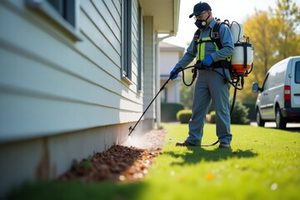
In addition to these inspections, a pest professional can also recommend preventative measures for homeowners. This can include installing a barrier in the soil around and under the home, or in certain situations, removing trees and shrubs that are close to the house. The type of barrier used will depend on the situation, with some options being repellent and others nonrepellent.

While it is a home inspector’s job to identify and report on termite infestations, it is up to the homeowner to take steps to keep their home protected. This can be accomplished by hiring a pest control company with experience treating and preventing termite infestations, and asking for a warranty to ensure that the treatment is effective.

Some of the most effective prevention measures for a termite infestation can include keeping wood debris and firewood away from the house, repairing leaking pipes and faucets, and making sure that there are screens on all vents and doors. Taking these precautions can help to deter a potential termite infestation, and also help to prevent pests like cockroaches, spiders, and stinging insects from invading the home.

Ants

Unlike termites, ants don’t form nests inside homes and instead live in outdoor colonies. Still, ants can be troublesome indoors as they search for food and water sources. They forage in a zigzag pattern and leave pheromone trails that other workers can follow. They can also swarm during the summer and cause damage to property.

Ants are attracted to moist areas and discarded food. They can gain entry through a wide range of cracks and crevices, including those around foundation walls. The Pest Pro will inspect the outside of your home, checking for ant mounds and ant activity. The inspection will include looking at ant entrance points such as doors, windows, and electrical wires that pass through exterior walls. The inspection will note potential food sources, such as aphids that produce honeydew and attract ants. The Pest Pro will determine the ant species infesting the property and develop a control program accordingly.

An ant infestation isn’t just a nuisance, but can lead to wood damage, especially if carpenter ants invade. If a home’s structural integrity is compromised, repairs can be costly. The Pest Pro will look for carpenter ant nests on the property and in surrounding areas, as well as examining the attic, crawl spaces, and basement for signs of pest activity (gnaw marks, droppings, etc.).

Ants differ in size and color, making identification a challenge for the untrained eye. Identifying an ant species will help your provider create an effective control program.

The Pest Pro will decide whether an interior treatment is required, as ants can be controlled by various baits, depending on the species. Some ants like sweet baits, while others, such as the pharaoh ant, are best treated with protein or carb baits.

Routine pest inspections can help keep ants and other insects out of your Greenville home, saving you time and money on invasive repair bills. A professional inspection will spot problems before they become a serious problem and allow for quick, targeted treatments. Preventative measures include sealing all food containers and storing them in airtight, sealed containers; controlling moisture through leaky pipes or insulation; yard upkeep, such as keeping shrubs and trees trimmed; and blocking entry points with caulk and door sweeps.

Rodents

Rodents are mammals that have evolved specialized teeth and jaws for gnawing. They are in the order Rodentia and include rats, mice, squirrels, voles, beavers, chipmunks, and groundhogs. All members of this group have incisor teeth that grow continually, forming chisel-like edges that can wear away at wood and other materials. They also have special anatomy that allows them to carry off and nurse their young, making it easy for them to reproduce. Nearly 40% of the mammal species are rodents, and they live on every continent except Antarctica.

Rodents can be very tricky to deal with for a homeowner. They are often elusive and quick to escape. They can also be difficult to spot because they hide and nest in small spaces. That’s why it is best to seek professional help for a rodent infestation. A qualified technician can conduct a thorough inspection, focusing on hard-to-reach places like attics and crawl spaces.

The most important clues to look for during a rodent inspection are signs of activity and evidence of the type of rodent involved. These clues include gnaw marks, droppings, and runways. The technician will also examine the rodents’ burrows, harborages, water sources, food storage areas, vents and other openings, and more.

Droppings: Observing the number and size of rodent droppings can tell a lot about a rodent problem. For example, a sudden appearance of large droppings indicates that the rodent population has increased. The color of the droppings can also provide clues, as some rodent baits contain a dye that changes the droppings’ color when eaten by rodents.

Runways: Rodents will leave pathways between their nesting and feeding areas, relying on kinesthetic memory to mark their territory. The presence of these paths helps to identify active areas that need treatment. The presence of grease markings (from body oils and food) can also help to locate active runways. These grease markings will smear if wet, while older ones will become darker and flaky.

It’s helpful for homeowners to prepare for a pest control inspection by providing unobstructed access and clearing debris from around the home’s exterior walls, ceilings, attics, crawl space, and other areas. Additionally, it’s important to keep pets and children away from the areas to be inspected.

Other Insects

Homeowners can safeguard their investments and maintain a comfortable, safe living environment with regular pest control inspections. These preventive measures help reduce costly repairs that arise from pest infestations and thwart long-term pest problems. Moreover, pest control inspections also mitigate health risks posed by pests that transmit diseases or trigger allergies.

An effective pest control inspection includes visual checks, the use of specialized tools, and thorough documentation of findings. It also addresses conducive conditions that attract pests, like moisture and standing water. This comprehensive assessment helps identify potential problem areas and create a custom plan to resolve pest issues.

Pest inspections are often necessary in food service establishments to comply with government regulations and avoid costly fines and shut-downs. Routine inspections detect early warning signs, such as rodent droppings and cockroach activity, to prevent infestations from getting out of hand. They also ensure that restaurants adhere to proper cleaning and hygiene standards. Choosing the right pest control company ensures a thorough, effective inspection process. Look for a provider with extensive industry experience tailored to food manufacturing and processing, and ensure that its representatives have appropriate certifications and training in pest control procedures.

The right pest control company can provide a range of services to address different types of pests. These include scouting, baiting, and trapping, as well as providing recommendations to prevent future infestations. It should also be able to offer ongoing maintenance and preventive strategies, which significantly reduce the need for chemical treatments.

Homeowners can reduce the risk of pest infestations by taking precautionary measures, such as keeping lawns and shrubbery neatly trimmed, and cleaning up debris around their property. They should also check the integrity of their roofs and foundations to protect against termite attacks. In addition, they should keep an eye out for signs of insect activity, such as shed wings or hollow wood, and pay attention to environmental indicators, like odors and damaged plants. Moreover, they should hire a trusted pest control expert, such as My Pest Pros, to perform regular inspections. It is also important to choose a certified, quality-proven pest control company that is licensed, insured, and provides customer service support.

Visit our Professional Services Blogs

West Accounting Services, Polycor Countertops, Appliance Repair Cherry Hill, Prism Power Wash, Gardner Tax And Accounting, Kitchen Remodel Cost, Sunrise Towing, Color Cork Flooring, Architectural Design Consultants, Sunny Cleaning, Solar Module Direct, Dr Mark Wiley, West Accounting Services, Visit Red Lake Region, Across America Movers, Karis Transportation, About The Bay Movers, Portland Metro Auto Insurance, Get Healthy Again, The Wow Traveler, Tzar Travel, Technohub IT Services, Maine Business Lending, Garage Door Repair 719, St Croix Tampa, Household Inspector, Hemp Solutions, Hamilton Home Inspection, Mold Removal Remediation Experts, Nine Radiance Furnitures

Posted in Pest Control | Tagged , , , , | Comments Off on The Importance of Pest Control Inspections

Effective Mold Removal Tips for a Cleaner and Healthier Home

mold removal

Mold is one of the most common household problems, and if left untreated, it can cause serious damage to your home as well as health issues for your family. Mold thrives in damp, dark, and humid areas, spreading quickly on walls, ceilings, carpets, and even furniture. Effective mold removal is essential not only for maintaining a clean home but also for ensuring a safe and healthy living environment.

Why Mold Removal is Important

Mold is more than just an eyesore—it can lead to a range of problems if not addressed quickly. Some of the key reasons mold removal is essential include:

  • Health concerns: Mold releases spores that can cause allergies, respiratory issues, and skin irritation.
  • Structural damage: Mold can weaken wood, drywall, and other materials, leading to costly repairs.
  • Unpleasant odors: Mold growth often comes with a musty smell that lingers in affected areas.
  • Property value: Homes with visible mold or mold damage are less appealing to buyers.

Removing mold promptly protects your health and prevents long-term damage.

Common Causes of Mold Growth

Understanding what causes mold is the first step toward preventing it. Mold typically develops in areas where moisture is present. Common causes include:

  • Leaky roofs, windows, or plumbing.
  • Poor ventilation in bathrooms, kitchens, or basements.
  • Flooding or water damage.
  • High indoor humidity levels.
  • Damp carpets, upholstery, or storage areas.

By identifying the source of moisture, you can address the root of the problem and reduce the chances of mold returning.

Signs You May Have Mold

Mold is not always visible right away. Here are some warning signs that may indicate a mold problem:

  • Dark spots or discoloration on walls, ceilings, or floors.
  • Persistent musty odors.
  • Increased allergy or asthma symptoms indoors.
  • Peeling paint or bubbling wallpaper.
  • Dampness or condensation in certain rooms.

If you notice these signs, it’s best to act quickly before the mold spreads further.

Steps for Safe Mold Removal

Mold removal requires proper techniques to ensure spores are not spread throughout the home. Here are safe steps to take when tackling mold:

1. Protect Yourself

Before starting mold removal, wear protective gear such as gloves, goggles, and a mask to avoid inhaling spores.

2. Isolate the Area

Seal off the affected area with plastic sheets or close doors to prevent spores from traveling to other parts of the home.

3. Remove Contaminated Materials

If mold has deeply penetrated porous materials like carpets, insulation, or drywall, these items may need to be discarded. Non-porous surfaces, such as tiles or glass, can usually be cleaned.

4. Clean with the Right Solutions

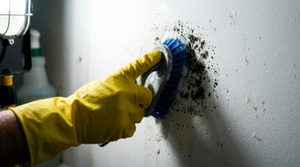
Scrub moldy surfaces with appropriate cleaning solutions. Avoid mixing chemicals, and always ventilate the area while cleaning.

5. Dry the Area Thoroughly

Moisture is the biggest factor in mold growth. Use fans, dehumidifiers, or open windows to dry the space completely.

6. Address the Source of Moisture

Fix leaks, improve ventilation, or use moisture barriers to prevent mold from returning.

7. Monitor for Regrowth

Check the area regularly to ensure mold does not reappear. Early detection helps stop small issues from becoming major problems.

Preventing Mold After Removal

Prevention is just as important as removal. Once you’ve cleared mold, take steps to ensure it doesn’t come back:

  • Use exhaust fans in bathrooms and kitchens.
  • Keep humidity levels between 30% and 50% with dehumidifiers.
  • Fix leaks as soon as they occur.
  • Clean and dry wet areas within 24 to 48 hours.
  • Maintain proper ventilation in basements and attics.
  • Regularly clean and inspect areas prone to moisture.

Consistent maintenance is the key to keeping your home mold-free.

When to Seek Professional Help

While small mold patches can often be handled on your own, larger infestations may require professional mold removal services. Consider expert help if:

  • The mold covers an area larger than 10 square feet.
  • Mold is growing inside walls, ceilings, or ductwork.
  • You experience persistent health issues linked to mold exposure.
  • The source of moisture cannot be identified or controlled.

Professionals use advanced equipment and techniques to safely remove mold and prevent it from spreading further.

Health Benefits of Mold Removal

Removing mold from your home has a direct impact on your family’s health and comfort. Benefits include:

  • Reduced allergy and asthma symptoms.
  • Improved indoor air quality.
  • Elimination of musty odors.
  • A healthier environment for children and elderly family members.

By investing in mold removal and prevention, you protect the well-being of everyone in your household.

Mold Removal and Property Value

A home with visible mold issues can lose significant value in the real estate market. Buyers are often hesitant to purchase a property with a history of mold damage. On the other hand, a clean and mold-free home signals proper maintenance and increases buyer confidence. If you’re planning to sell your home in the future, mold removal is a critical step in protecting your investment.

Mold removal is not just about aesthetics—it’s about health, safety, and the long-term durability of your home. From spotting early warning signs to taking preventive measures, dealing with mold requires both immediate action and ongoing maintenance. By eliminating moisture sources, using safe cleaning practices, and keeping your home well-ventilated, you can stop mold in its tracks.

Whether you handle small mold issues yourself or call in professionals for larger problems, prompt mold removal ensures your home remains clean, healthy, and welcoming. Taking these steps today protects your family and your property for years to come.

Posted in Uncategorized | Comments Off on Effective Mold Removal Tips for a Cleaner and Healthier Home

Emergency Water Damage Restoration: Why Fast Action Prevents Costly Structural Issues

Water damage is one of the most stressful problems a homeowner or property manager can face. Whether caused by burst pipes, severe weather, appliance malfunctions, or unexpected leaks, water intrusion can quickly disrupt the safety and stability of a building. While the immediate concern often focuses on visible water pooling across floors or soaking into walls, the hidden consequences can be far more serious. Acting quickly during a water emergency is not just about cleaning up the mess—it is about protecting the structural integrity of the property and preventing long-term damage that can become extremely expensive to repair.

water damage

When water enters a structure, it does not remain in one place for long. It spreads through porous materials such as drywall, wood, insulation, and flooring. These materials act like sponges, absorbing moisture and allowing it to travel deeper into the building. Within hours, moisture can reach structural components that are normally protected behind walls and under floors. This rapid spread is why emergency Water Damage Restoration Utah is so important. Immediate response helps stop the water from penetrating further and limits the areas that require repair.

The structural components of a building are designed to remain dry and stable. Wood framing, support beams, subfloors, and foundations rely on balanced moisture levels to maintain their strength. When water saturates these materials, it begins to weaken them. Wood can swell, warp, and lose its load-bearing capacity. Metal components may begin to corrode, and adhesives used in construction materials can deteriorate. If the water damage is not addressed quickly, the building’s framework may begin to shift or degrade over time, creating safety concerns for occupants.

One of the biggest risks associated with delayed water damage restoration is the gradual deterioration of structural materials. The damage often begins subtly. Floors may feel slightly soft, walls may develop faint discoloration, or small cracks may appear near baseboards. These early warning signs are often overlooked because they do not seem urgent. However, beneath the surface, moisture may be compromising the structural components that hold the building together. Fast action can stop this process before it leads to serious structural failure.

Another important factor to consider is how quickly mold can begin to develop in damp environments. Mold spores are naturally present in the air, and they thrive in moist conditions. When water damage occurs, these spores can settle into wet materials and begin to grow within a very short time. Once mold colonies form, they spread quickly through walls, ceilings, and ventilation systems. In addition to causing unpleasant odors and stains, mold can accelerate the deterioration of building materials and create unhealthy indoor conditions. Rapid water extraction and drying help eliminate the moisture that mold needs to survive.

Beyond structural concerns, prolonged water exposure can cause severe damage to flooring systems. Carpets, hardwood floors, laminate materials, and subflooring layers are particularly vulnerable to moisture. When water penetrates these layers, it can cause expansion, buckling, and separation between materials. Over time, the flooring may lose its stability and require full replacement. By addressing water damage immediately, restoration professionals can often salvage portions of the flooring that would otherwise be destroyed.

The speed of the response plays a critical role in determining how extensive the damage becomes. Within the first several hours after water exposure, the focus is usually on removing standing water and preventing it from spreading. Specialized extraction equipment can remove large volumes of water quickly, reducing the amount absorbed by surrounding materials. After the visible water is removed, powerful drying equipment and airflow systems are used to draw out hidden moisture trapped in walls and flooring.

Homeowners and property managers should understand that water damage does not always appear as dramatic flooding. Even a slow leak can create significant structural issues if it goes unnoticed. Pipes hidden behind walls or under flooring may drip continuously for days or weeks before the problem becomes visible. During that time, moisture accumulates inside building materials and slowly weakens them. This is why quick response and professional evaluation are essential whenever signs of water intrusion appear.

There are several reasons why immediate water damage restoration can dramatically reduce repair costs and protect the structure of a building:

  1. Prevents structural weakening – Fast water removal stops moisture from soaking into support beams, wall studs, and subfloors.
  2. Reduces mold growth risk – Rapid drying removes the conditions that allow mold to develop and spread.
  3. Minimizes material damage – Floors, walls, and insulation are more likely to be salvaged when drying begins quickly.
  4. Limits repair scope – Early intervention prevents damage from spreading to additional rooms or structural components.

Another major concern with untreated water damage is the effect it can have on insulation materials. Insulation is designed to trap air and regulate temperature within the home. When insulation becomes wet, it loses its ability to perform this function effectively. Saturated insulation may compress, break down, or harbor mold growth. In many cases, wet insulation must be completely removed and replaced, which can significantly increase restoration costs. Rapid drying and moisture control help protect these materials and reduce the need for extensive reconstruction.

Electrical systems can also be affected when water enters a building. Outlets, wiring, and electrical panels are vulnerable to moisture intrusion. Even small amounts of water can cause corrosion within electrical components, leading to potential hazards such as short circuits or system failures. Acting quickly during a water emergency reduces the likelihood that water will reach these critical systems and cause long-term electrical problems.

The restoration process itself involves much more than simply drying visible surfaces. Professionals use specialized tools to measure moisture levels inside walls, ceilings, and flooring materials. Moisture meters and thermal imaging devices help identify hidden pockets of water that may not be visible to the naked eye. By locating these areas early, restoration teams can ensure that drying efforts reach every affected section of the building.

Homeowners often underestimate how long moisture can remain trapped inside structural materials. Even after surfaces appear dry, hidden moisture may still linger deep within walls or flooring layers. Without proper drying techniques, this trapped moisture can continue to damage materials for weeks. This is why professional restoration methods focus on both water removal and controlled drying to fully stabilize the building structure.

Another reason fast action is essential involves the potential impact on indoor air quality. Damp building materials can release musty odors and airborne particles that affect the comfort of the indoor environment. When moisture persists, microbial growth may occur, which can worsen these conditions. Rapid restoration efforts help restore healthy indoor air conditions by removing moisture before it becomes a long-term problem.

To reduce the likelihood of structural damage after a water incident, property owners should take a few key steps as soon as possible:

  1. Shut off the water source if possible to stop additional water from entering the structure.
  2. Move valuables and furniture away from wet areas to prevent further damage.
  3. Increase airflow in the affected space by opening windows or using fans if conditions allow.
  4. Seek a professional assessment quickly to determine the extent of hidden moisture and structural risk.

While these steps can help minimize immediate damage, professional restoration services play a critical role in ensuring that the building is fully dried and stabilized. Advanced drying equipment, dehumidifiers, and moisture monitoring tools are necessary to remove water from areas that household fans or simple cleanup methods cannot reach.

It is also important to recognize that structural damage from water exposure does not always appear immediately. Over time, once saturated materials may begin to warp, crack, or weaken as they dry unevenly. Floors may develop uneven spots, walls may bow slightly, and support structures may lose their original alignment. By acting quickly and addressing the problem thoroughly, property owners can prevent these delayed effects from developing.

Water damage emergencies are unpredictable, but preparation and quick response can make a significant difference in the outcome. Understanding how rapidly moisture spreads through building materials highlights the importance of treating water intrusion as an urgent issue rather than a minor inconvenience. The sooner the drying and restoration process begins, the greater the chances of preserving structural components and reducing overall repair costs.

In the long run, fast action during a water emergency protects more than just the appearance of a building. It safeguards the framework that keeps the structure stable and secure. When moisture is removed quickly and materials are properly dried, the building can return to its original condition without extensive reconstruction.

Emergency water damage restoration is ultimately about preventing small problems from becoming major structural failures. What begins as a leak or spill can escalate into widespread damage if left untreated. By responding quickly and addressing water intrusion immediately, homeowners and property managers can protect their investment, maintain a safe living environment, and avoid the costly consequences that often follow delayed restoration efforts.

Posted in Water Damage Restoration | Tagged , , , , , , | Comments Off on Emergency Water Damage Restoration: Why Fast Action Prevents Costly Structural Issues